
The novel I chose to read was Three Day Road by Joseph Boyden. This book is set just after World War One, and is about a young Cree man named Xavier who returns from war injured and addicted to morphine. His Aunt, Niska, paddles him on the three day trip home. On this trip Xavier revisits his memories of war and his gruesome experiences while Niska tells stories of her past in hope that she can heal her nephew’s wounds.
The perspectives of this book switched between Xavier and Niska, so I had to pay attention to whose perspective I was reading. I found that reading in different perspectives allowed me to learn more about each of the characters and to understand them better. For example, when I was reading in Xaviers perspective, he told stories of his recent past through vivid dreams which allowed me to understand his emotions better and learn more about the significant impact the war had on him.

The stories that each of the characters told were extremely descriptive, so I found it very easy to create mental images. The following quote is an example of the vivid language used to describe the river they were paddling on. “The river water is black this early in the morning before the sun has a chance to warm it and the light to turn it the colour of tea” (Boyden 34). I believe that the pictures my mind forms come from things I have seen before in pictures or in real life.
The author, Joseph Boyden, was very passionate about expressing issues in the indigenous community. The book brought up the topic of residential schools and discrimination:
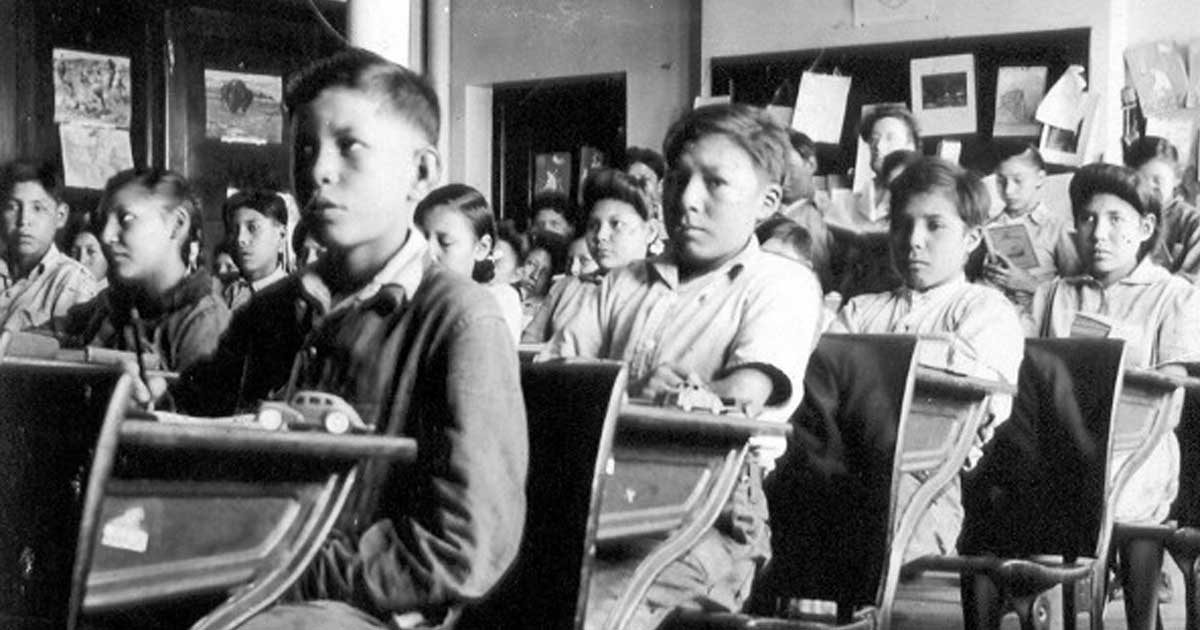
“ Even though the walk was not far, the parents were not allowed to visit the children. My mother told me this was so that the nuns could work their spells without interruption. When the children came back, they were different, speaking in the wemistikoshiw tongue, talking back to their parents, fighting and hitting one another, crying in the middle of the night for reasons they could not explain. I wondered what happened to them over in that place and was thankful that I was not sent there.” (Boyden 91)
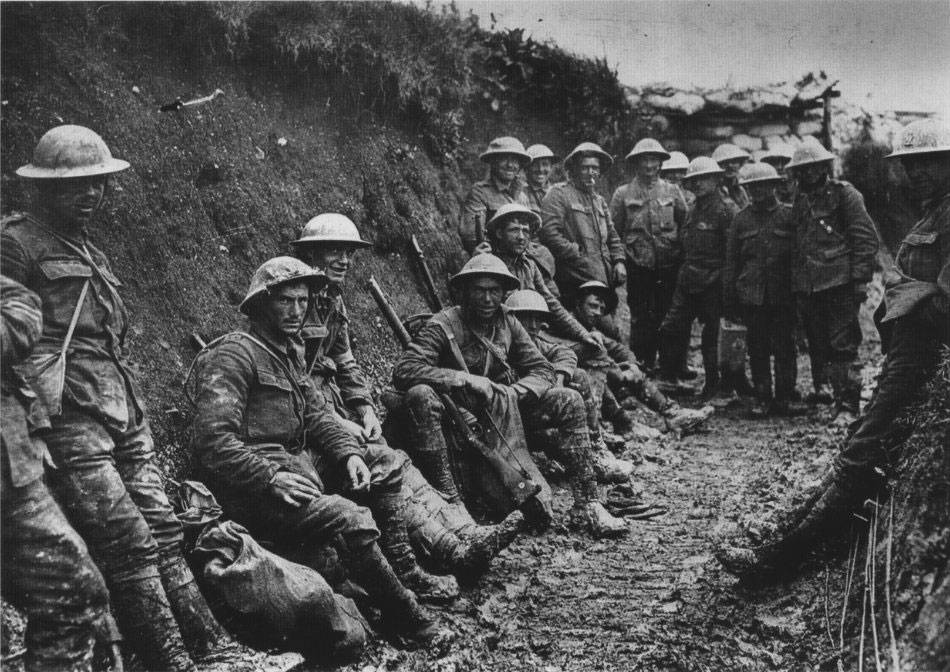
This novel certainly shone a light on the mistreatment of people who were part of the indigenous community. It also expressed the impact of war on soldiers. As Xavier described, the soldiers lived like animals, killing people, and living with death all around them.
I believe that Three Day Road was a good demonstration of Canada’s past and the separation of people. It has shown how we have learned from our mistakes and changed for the better. Xavier experienced this change when he won a contest and was able to prove himself to the army officials. “It strikes me then. None of these who are here today can call me a useless bush Indian ever again. They might not say it out loud, but they know that I have something special” (Boyden 109). Xavier was treated differently because he was Indigenous, but by winning the shooting contest he showed that he was in fact superior, if not better than the other soldiers who were there that day.
This novel was a great read. I found it serious and educational, but at the same time very enjoyable to read. I specifically enjoyed the story telling aspect of it because it drew me in and made me want to keep on reading.
Works Cited
“Joseph Boyden.” Wikipedia, Wikimedia Foundation, 11 May 2020, en.wikipedia.org/wiki/Joseph_Boyden.
Boyden, Joseph. Three Day Road. Pengui Canada, 2005.
“Three Day Road by Joseph Boyden.” Goodreads, Goodreads, 14 Mar. 2006, http://www.goodreads.com/book/show/823411.Three_Day_Road.
“Three Day Road: Boyden, Joseph: 9780143056959: Books.” Three Day Road: Boyden, Joseph: 9780143056959: Books – Amazon.ca, 0AD, http://www.amazon.ca/Three-Day-Road-Joseph-Boyden/dp/0143056956.
History.com Editors. “World War I.” History.com, A&E Television Networks, 29 Oct. 2009, http://www.history.com/topics/world-war-i/world-war-i-history.
jennac0129. “The First Day of ‘Three Day Road.’” Jenna’s Blog, 12 Nov. 2016, http3740.wordpress.com/2016/11/06/the-first-day-of-three-day-road/.n.a. “Historical Sketch for Anglican Residential Schools.” The Anglican Church of Canada, 10 Sept. 2018, http://www.anglican.ca/tr/schools/.
 Elly's Blog